Should I Test a Standalone Inverter?
Yes — but the type of test depends on how it’s used
1. Visual Inspection (At Minimum)
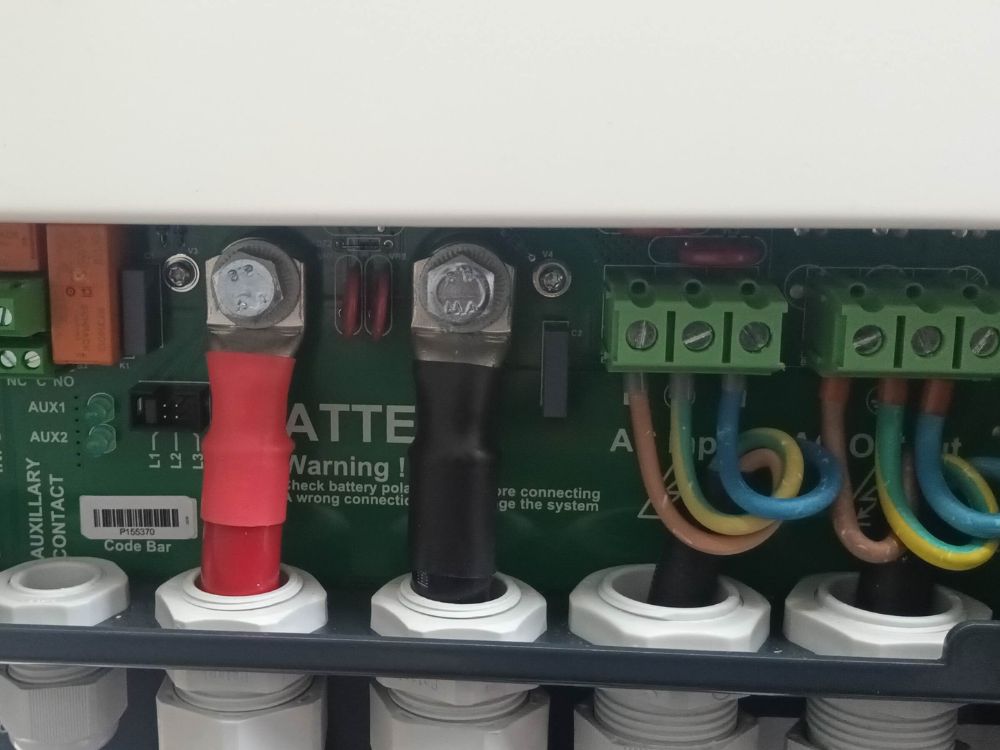
Always inspect for:
- Damaged cables or plugs
- Overheating or burn marks
- Loose connectors or exposed terminals
- Secure mounting in the vehicle
This should be done regularly, especially before use in safety-critical settings.
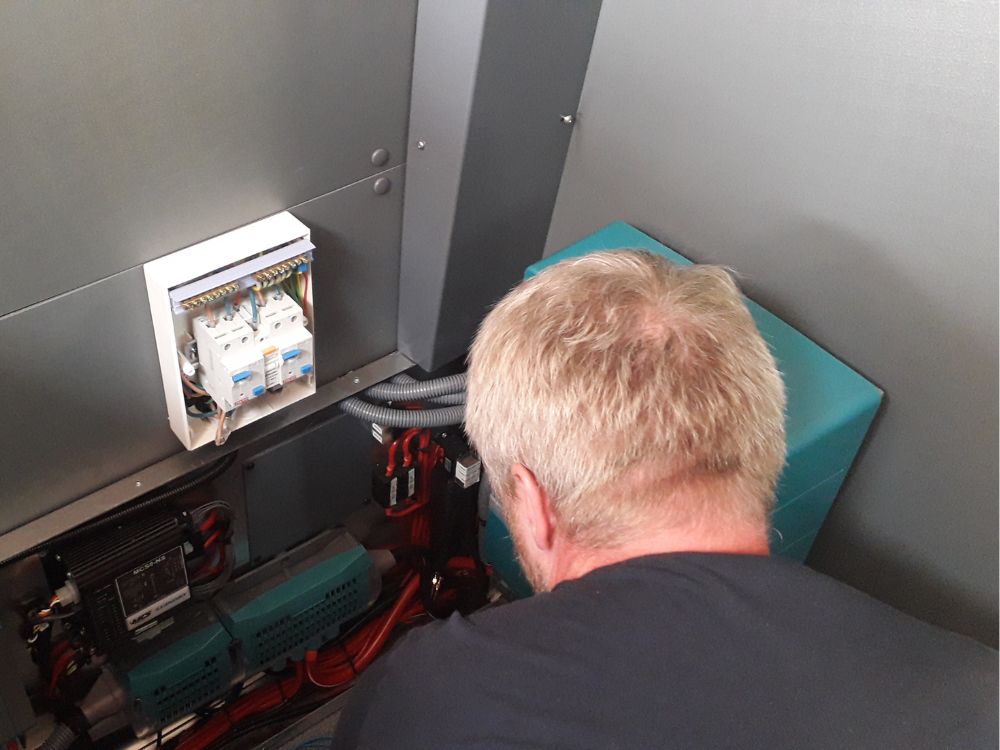
2. Electrical Safety Test / Inverter Inspection
If the inverter:
- Powers plug-in appliances
- Is used in a commercial, emergency-service, or fleet environment
- Is used frequently or exposed to vibration/dust/moisture
Then you should carry out a basic functionality and safety test:
- Confirm output voltage and frequency is within safe range
- Check earth continuity (especially if metal casing)
- Verify no voltage on earth pin when no load is applied
- Check for overcurrent protection and fuse integrity
This isn’t a formal PAT or EICR, but it is part of a good electrical maintenance regime.
3. PAT Test (if it plugs in)
If the inverter plugs into a 230V socket and has an accessible plug, it can technically be PAT tested like any other portable appliance. This might include:
- Earth bond test (if Class I)
- Insulation resistance
- Visual check
Not all PAT testers can test inverters correctly, though — check tester spec or use a qualified engineer.
4. Don’t Forget the Load
If you’re using the inverter to power plug-in devices (kettle, printer, monitor, etc.):
- Those appliances also need PAT testing
- You need to ensure the inverter is rated for the combined load — many fires are caused by overloads
Bottom Line
| Scenario | Test Required? | Notes |
|---|---|---|
| Standalone inverter, rarely used | Visual inspection | Check regularly for damage |
| Inverter used daily for work devices | Electrical safety check / PAT | Especially in fleet or commercial setting |
| Inverter wired into vehicle circuits | Full EICR | BS 7671 applies |
| Inverter powers plug-in equipment | PAT for appliances | Each appliance must be tested too |
Related Posts
EV Charge Point Service Maintenance & Compliance
The 18th Edition of the IET Wiring Regulations (BS 7671) includes specific requirements for the testing of AC power on electric vehicle (EV) charging equipment, often referred to as EVSE (Electric Vehicle Supply Equipment). These requirements ensure safe and efficient...
VW I3 Speedy Skips Delivery Van
As a BMW approved converter and the first company to convert the I3 for Emergency service use , The concept was to provide a Ultra Low emission vehicle for Speedy Hire , a national lightweight tool hire company These vehicles were deployed to deliver lightweight...
Enhancing Fleet Safety with Advanced Camera Systems
For businesses that operate fleets, safety is a paramount concern. Implementing advanced camera safety systems in commercial vehicles offers numerous benefits, from improving driver behaviour to providing critical evidence in the event of incidents. The Role of...
The Importance of Regular Vehicle Diagnostics for Modern Cars
In today's automotive landscape, vehicles are more technologically advanced than ever before. Modern cars are equipped with intricate electronic systems that manage everything from engine performance to safety features. Regular vehicle diagnostics have become...
Addressing Diesel Particulate Filter (DPF) Issues: Prevention and Solutions
Diesel Particulate Filters (DPFs) are essential components in modern diesel vehicles, designed to reduce harmful emissions by capturing soot and other particulates from the exhaust gases. However, without proper maintenance, DPFs can become problematic, leading to...